A career grounded in science and diplomacy [LinkedIn]
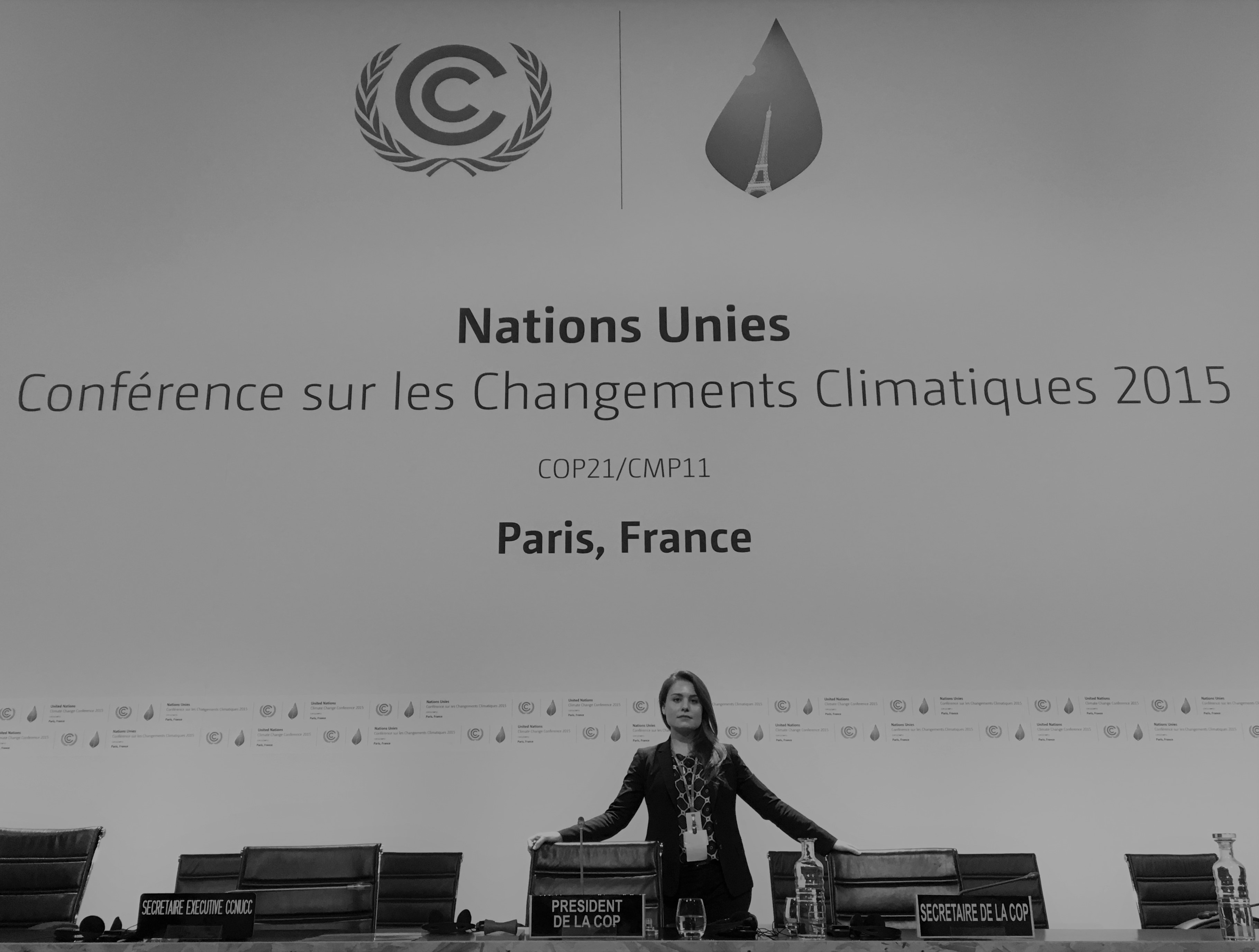
My nontraditional trajectory is inspired by the scientists I worked closely with during my time as an advisor on international climate change policy at the U.S. Department of State under the Obama administration. As part of the senior team shaping the Paris Agreement, it was critical to acknowledge scientific, legal, and political realities in tandem. I found myself increasingly drawn to the details of regional climate projections and their implications for planetary and human health.
At Berkeley, I built on this professional background during my first master’s degree in energy and natural resources to model the economic impacts of anthropogenic change. I then brought my computational skills together with my understanding of multilateral and bilateral negotiation to model national differences in environmental policy at the RAND Corporation. I turned to infectious disease during my doctorate at Berkeley, developing mathematical frameworks to characterize and optimize genetic biocontrol strategies for mosquito vectors under changing environmental conditions. Along the way, I completed a second master’s degree in electrical engineering and computer science, developing software to support this research. My postdoctoral work at Stanford investigated how climate shapes infectious disease dynamics, with applications in biosecurity and the forecasting of extreme dengue outbreaks.
Now at Johns Hopkins, my planetary health research program develops quantitative frameworks to understand and manage climate sensitive infectious diseases in a changing world, integrating disease ecology, decision science, open source scientific software, and the governance of emerging public health technologies. I have benefited enormously from mentors who encouraged me to cross disciplinary boundaries and pursue unconventional paths, and hope to do the same for others. I am always delighted to hear from students and collaborators with intersecting interests.